Corrosion Science Fundamentals

Understand how corrosion starts,
why it accelerates, and how protection
strategies help preserve metal assets.

A practical guide to electrochemical corrosion, rust formation, and asset protection.

What Is Corrosion?

Corrosion is the gradual deterioration of metal as it reacts with its surrounding environment, often forming more stable compounds such as: Oxides, Hydroxides, Sulphides.

How Corrosion Works

Most corrosion of steel and other engineering metals is electrochemical. Microscopic cells form on the metal surface when four elements, anode, cathode, electrolyte and metallic path are present.
These cells allow electrons to move through the metal and ions to move through the electrolyte, creating the conditions required for corrosion to continue.

Electrolyte and Conductive Path

The electrolyte provides the conductive pathway that allows ions to move and complete the corrosion circuit.
Common electrolytes and contaminants include:
• Water, condensation, and humidity films
• Salt water, chlorides, acids, and industrial contaminants
• Sulfur-containing contaminants and deposited residues
Without an electrolyte, electrochemical corrosion cannot proceed efficiently. 

Anodic & Cathodic Reactions

Corrosion depends on two linked reactions: oxidation at the anode, where metal is lost, and reduction at the cathode, where electrons are consumed.
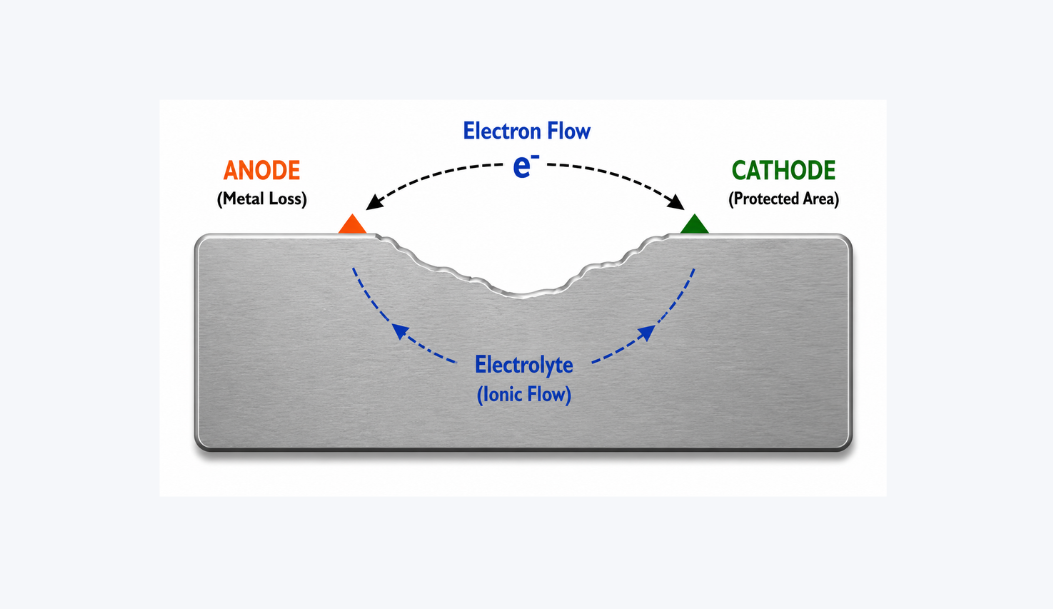
Electrochemical cell diagram showing anodic and cathodic reactions on steel

The Chemical Reactions of Corrosion

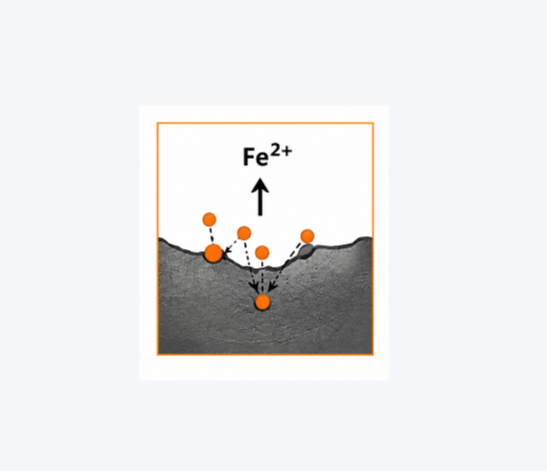
Anodic oxidation reaction diagram showing electron release and metal loss

1. Anode Reaction

At the anode, metal atoms leave the surface as ions and release electrons, causing thinning, pitting, or material loss.

Fe → Fe²⁺ + 2e⁻

Cathodic reduction reaction diagram showing electron consumption

2. Cathodic Reaction

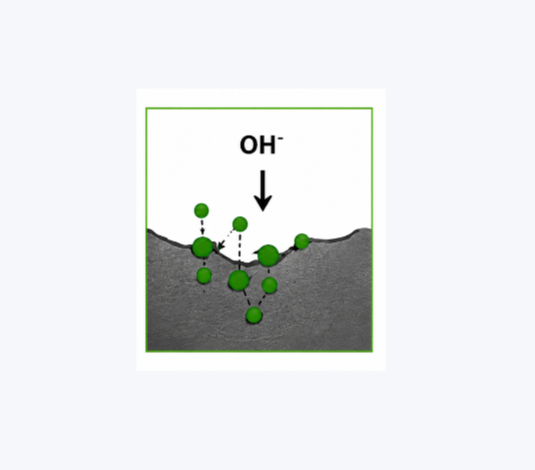
At the cathode, electrons released from the anode are consumed by reduction reactions, commonly involving oxygen and water in atmospheric conditions.

O₂ + 2H₂O + 4e⁻ → 4OH⁻

Chemical process of iron rusting and hydrated iron oxide formation

3. Iron Rusting Reaction Example

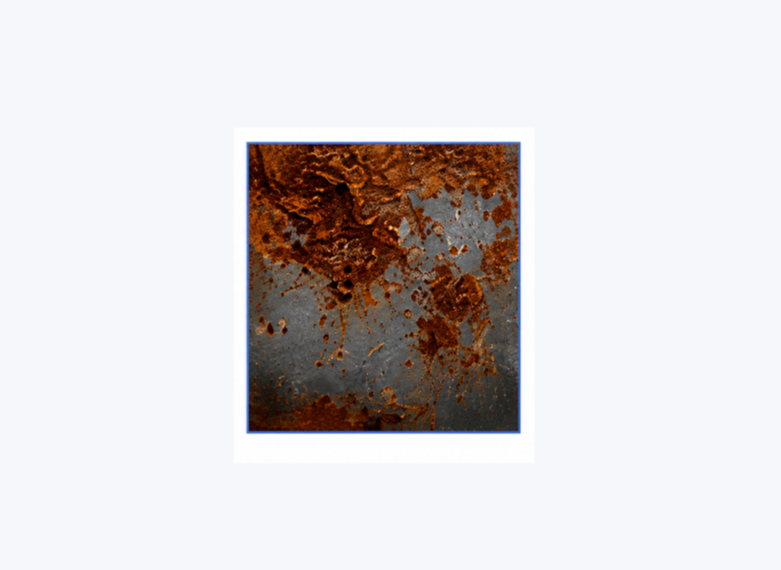
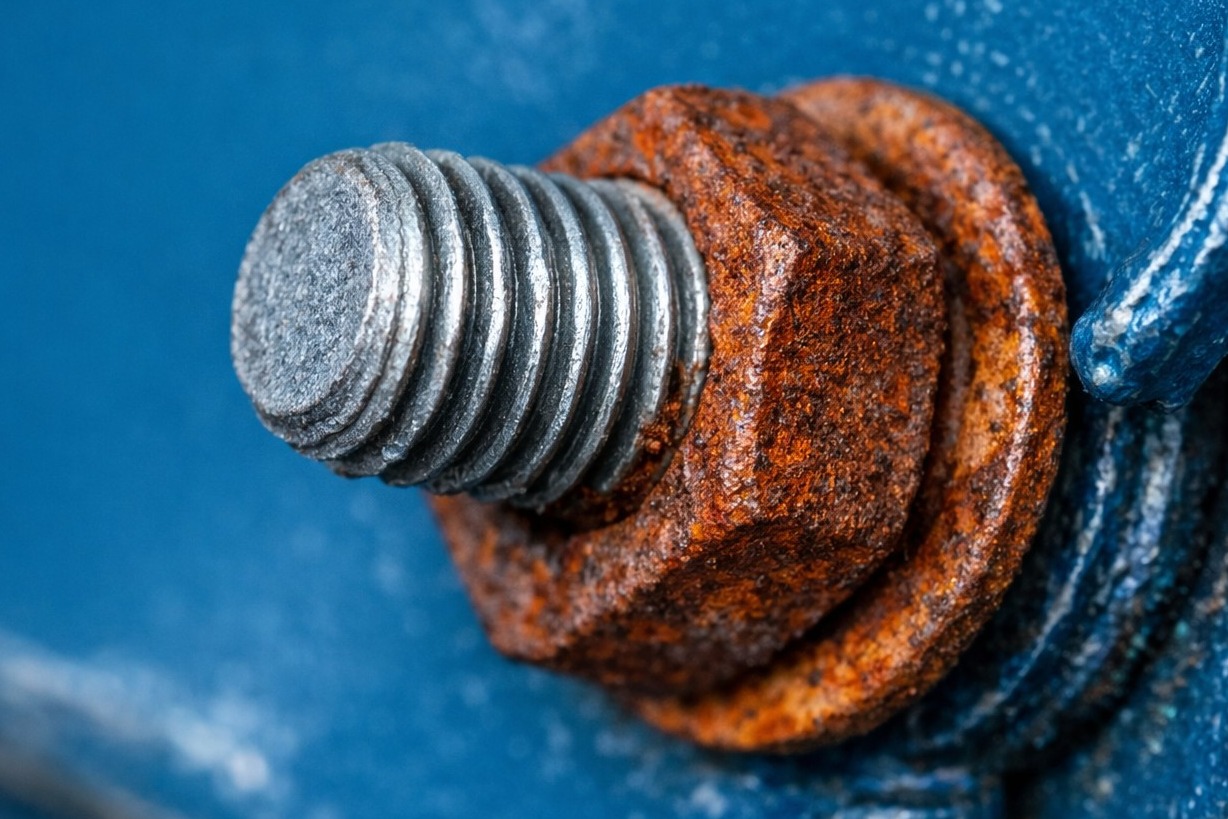
When rainwater or condensation remains on steel, iron dissolves at anodic areas while oxygen reduction occurs at cathodic areas; the resulting iron ions and oxygen products combine to form rust.

4Fe + 3O₂ + 6H₂O → 4Fe(OH)₃

4Fe(OH)₃ → Fe₂O₃·xH₂O

Corrosion slows or stops when either the anodic or cathodic reaction is interrupted, which is why coatings, inhibitors, and VBCI technologies are designed to block one or both reactions.

Primary Factors Influencing Corrosion Rate

Material Factors

Dissimilar metal contact, exposed steel surfaces, and conductive pathways that support electrochemical activity.

Dissimilar metals contact causing accelerated galvanic corrosion

Chemical Factors

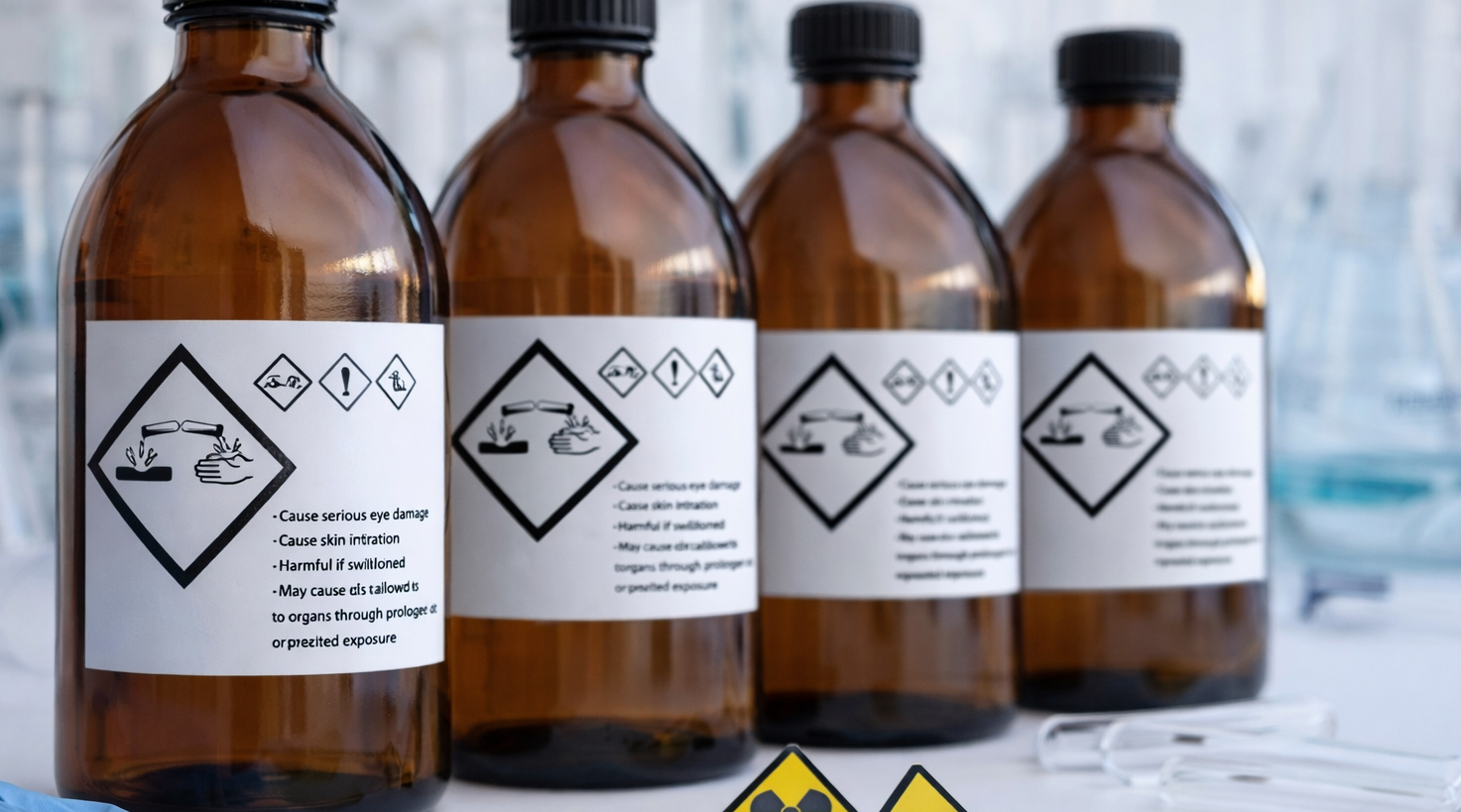
Chlorides, acids, low or extreme pH, sulfur-containing contaminants, and industrial residues.

Corrosive chemicals, chlorides, and industrial contaminants affecting metal

Environmental Factors

High humidity, water condensation, oxygen availability, and elevated temperature.

High atmospheric humidity and rainwater creating an electrolyte layer

Why Corrosion Matters for Industry

Corroded structural steel beam showing loss of structural integrity

Structural Integrity

Corrosion can reduce wall thickness, weaken load-bearing members, and compromise the structural capacity of steel components before visible damage becomes obvious.

Industrial machinery affected by surface rust causing equipment failure

Equipment Reliability

Corrosion increases the likelihood of equipment failure, maintenance cost escalation, and unplanned downtime.

Industrial facility component degradation posing safety risks

Safety & Compliance

Corrosion-related failures can create safety risks, environmental exposure, and non-compliance with inspection, maintenance, and operational standards.

VBCI corrosion protection applied for asset life extension

Asset Life Extension

Effective corrosion protection helps extend service life by isolating the metal surface, reducing ion transport, blocking electron transfer, or forming stable protective barriers.