Types of Corrosion &
Metal Degradation Mechanisms

Corrosion can occur in many forms and environments,
causing deterioration, safety risks, and costly downtime.
Explore the 8 most common types of corrosion
and how they occur.

The 8 Primary Forms of Industrial Corrosion

01 - Galvanic Corrosion 
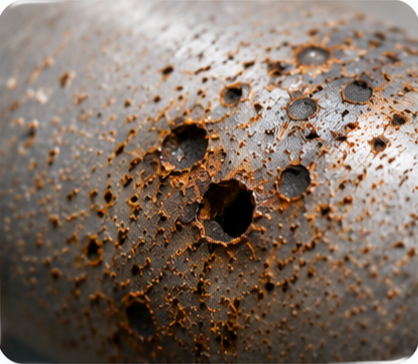
Galvanic corrosion mechanism between dissimilar metals in electrolyte

Electrical contact between dissimilar metals in an electrolyte environment causes one of the metals to undergo corrosion.

02 - Crevice Corrosion
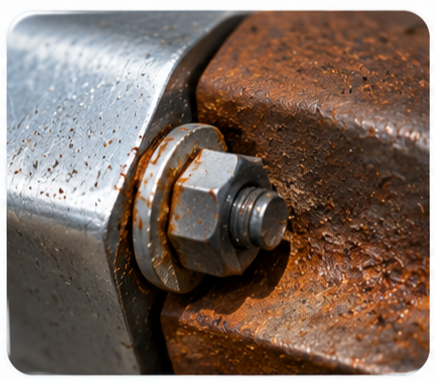
Crevice corrosion occurring in oxygen-starved shielded metal joints

Corrosion occurs in shielded areas where moisture is trapped and oxygen is limited.

03. Pitting Corrosion
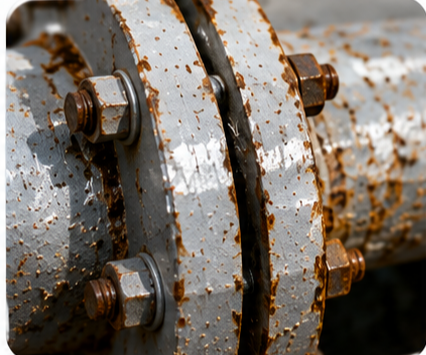
Localized pitting corrosion forming deep cavities on metal surface

Localized breakdown of the metal surface, forming small pits that can grow deeper over time.
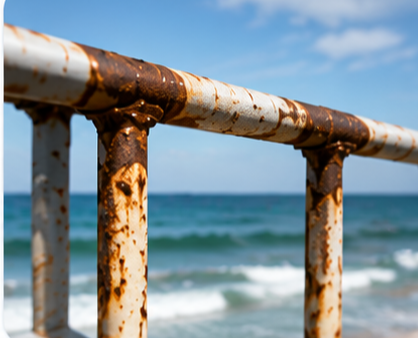
04. Atmospheric Corrosion

Atmospheric corrosion degradation from moisture, salt, and pollutants

Metal deterioration caused by exposure to atmospheric conditions such as moisture and pollutants.

05. Chloride-Induced Corrosion

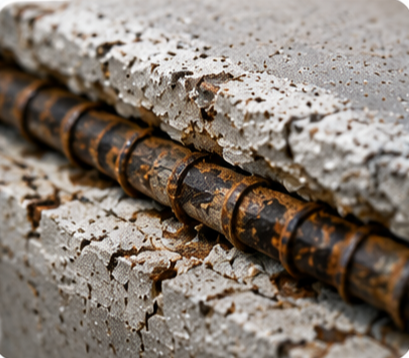
Chloride-induced corrosion penetrating steel oxide passivation layer

Chloride ions penetrate protective layers, breaking down passivity and accelerating corrosion.

06. Under-Deposit Corrosion

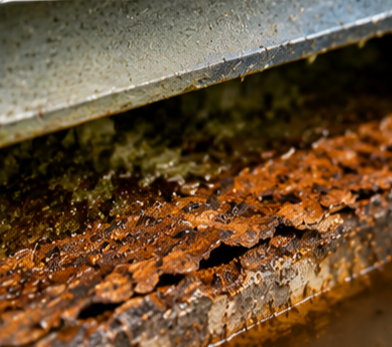
Under-deposit corrosion underneath dirt scale and sediment layers

Corrosion occurs beneath deposits of dirt, scale, or sediment that trap moisture and create differential aeration cells.

07. Microbiologically Influenced Corrosion (MIC)

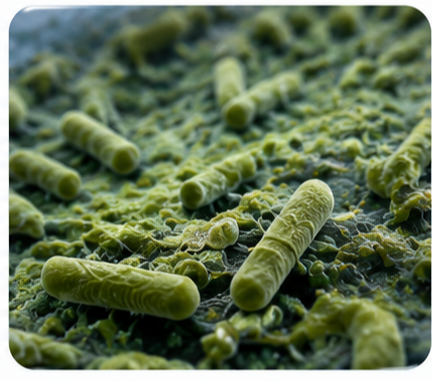
Microbiologically Influenced Corrosion (MIC) caused by bacterial activity

Microorganisms accelerate corrosion through their metabolic activities and by creating corrosive byproducts.

08. Stress Corrosion Cracking (SCC)

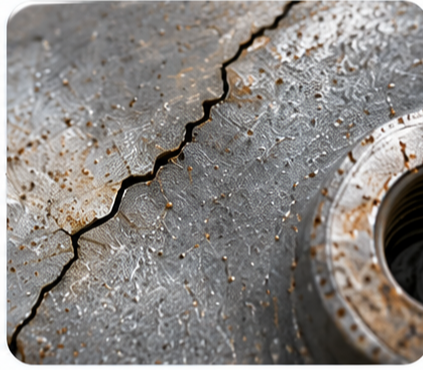
Stress corrosion cracking (SCC) from tensile stress and corrosive environment

Cracks form in a susceptible metal due to the combined action of tensile stress and a corrosive environment.